Torsion Spring Safety: What Every Homeowner Needs to Know Before Touching Their Door
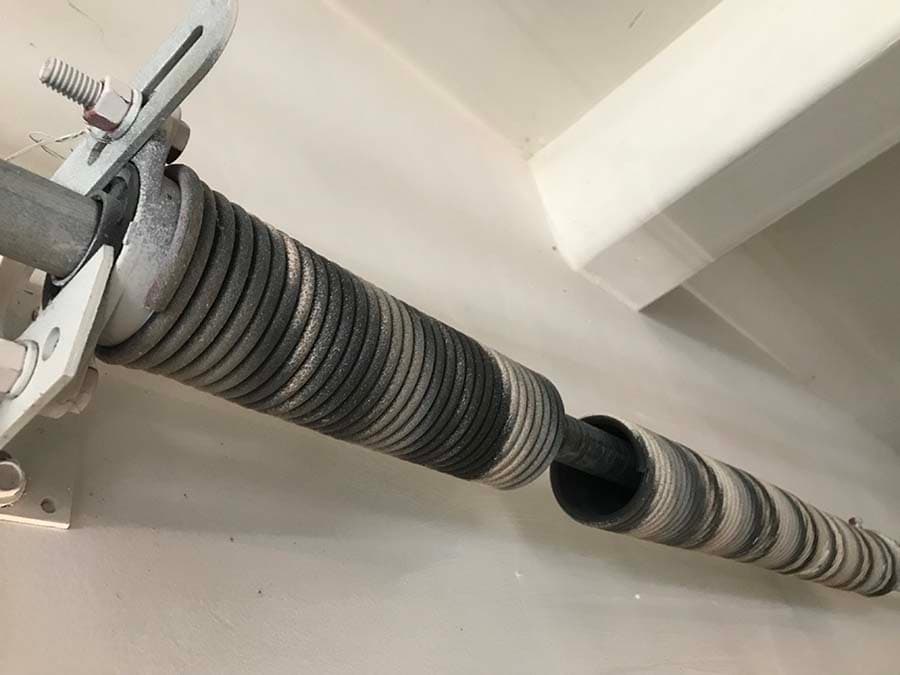
The torsion spring above your garage door doesn't look dangerous.
It's just a coiled steel rod mounted to a shaft, maybe 18 inches long, sitting quietly above the door. But that spring is under an extraordinary amount of mechanical tension — wound tight enough to counterbalance a door weighing 150 to 400 pounds. When it fails, it doesn't simply stop working. It can fail violently, and the results can be catastrophic.
This article explains how torsion springs work, what failure looks like, and why — despite what you'll find on YouTube — this is one repair that requires a trained technician, every time.
What Is a Torsion Spring?
A torsion spring is a coiled steel spring that stores mechanical energy by twisting along its axis. As your door closes and descends, the opener winds the spring tighter. When the door opens, the spring unwinds and releases that stored energy — doing most of the work of lifting the door so your opener motor doesn't have to.
Most residential doors use one or two torsion springs mounted on a steel shaft above the door opening. The springs are connected to cables that run down the sides of the door and attach to the bottom brackets. The entire system is calibrated precisely to the weight of your specific door.
How Much Tension Is Involved?
A properly wound torsion spring holds enough stored energy to lift your entire garage door — often 150 to 400 pounds — repeatedly. The winding process requires turning the spring with steel winding bars inserted into the winding cone, a quarter turn at a time. For most residential doors, that's 30 or more quarter-turns of tension.
If a winding bar slips, or if the spring is adjusted without the proper tools and technique, that stored energy releases instantly. The spring can spin the winding bars at high speed, and severe hand, arm, and facial injuries are well-documented in emergency room reports. Springs themselves can snap and travel across a garage.
Warning Signs of a Failing Spring
Torsion springs have a rated cycle life — typically 10,000 to 30,000 open/close cycles depending on quality. Here's what to watch for as they age:
The door feels unusually heavy when you disconnect the opener and lift manually
The door moves unevenly — one side rising faster than the other
A visible gap appears in the spring coils (the spring has partially unwound)
The door reverses after travelling only part of the way up
You hear a loud bang from the garage — sometimes mistaken for something falling
If you notice any of these signs, stop using the automatic opener. A failing spring puts excess strain on the opener motor and can cause the door to drop suddenly if a cable fails simultaneously.
What Happens When a Spring Breaks
In most cases: the door simply won't open. The opener will strain and stall because the counterbalance system is gone. If you're inside the garage, you can manually release the trolley and lift the door by hand — but it will be very heavy. If the door is in the down position, you should be able to open it this way in an emergency.
What you should not do is try to operate the door normally, attempt to re-tension or replace the spring yourself, or ignore it and continue using the opener. A single broken spring on a two-spring system still leaves the remaining spring under dangerous asymmetric load.
Why DIY Is Genuinely Dangerous
There are repair videos online that walk homeowners through torsion spring replacement. Some of them are made by people who have done it before without injury. This does not make the practice safe. Here's why the risk is real:
The tools matter: Proper winding bars are 18 inches long and steel. Using a screwdriver, wrench, or short bar is how slippage happens.
The math matters: Springs must be wound to a specific tension based on door weight, not guesswork. Overwound springs can fail immediately. Underwound ones leave doors out of balance.
The cables matter: Springs are replaced in conjunction with cable inspection. Missing a frayed cable is a second failure point waiting to happen.
Licensed technicians carry the right tools, know how to safely release stored tension before beginning work, and inspect the entire counterbalance system as part of any spring replacement.
How Long Should a Spring Last?
Standard builder-grade springs are typically rated for 10,000 cycles. At two uses per day, that's roughly 14 years — though heavy-use households burn through them much faster. High-cycle springs (25,000+ cycles) cost more upfront but are almost always worth it for active families or anyone with two vehicles sharing one door.
Ask your technician what cycle rating is on your current spring. If you don't know, that's worth finding out.
You May Also Like

Why Is My Garage Door Making That Noise?
Your garage door is one of the hardest-working mechanisms in your home — cycling open and closed hundreds of times a year, in all weather, mostly without complaint. So when it starts making unusual sounds, the temptation is to ignore it. Don't.
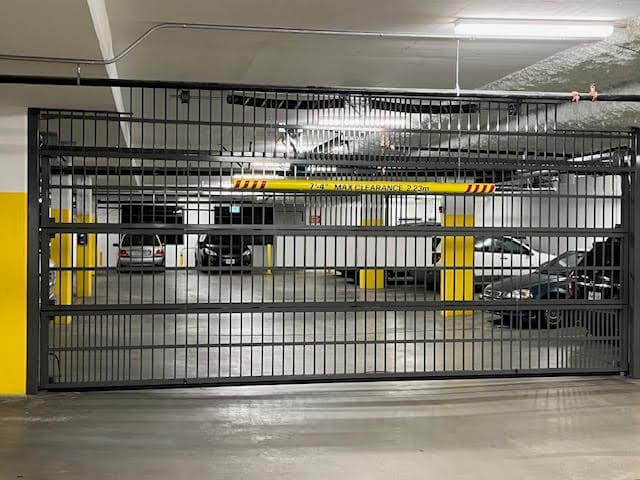
The Property Manager's Maintenance Checklist: Parkade Gates & Commercial Entries
If you manage a strata, commercial building, or parkade, your entry systems are more than a convenience — they're a liability.
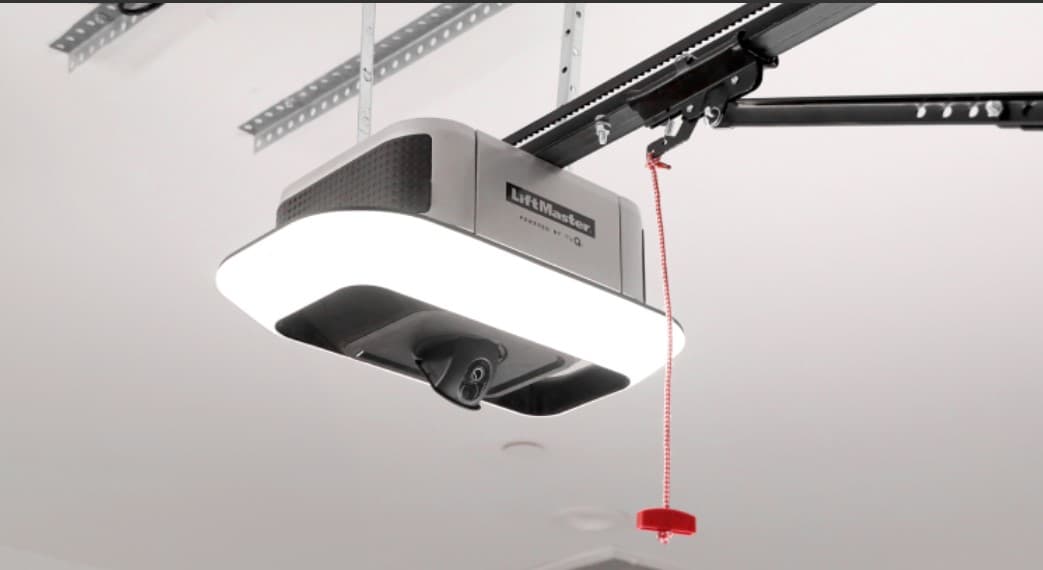
Garage Door Opener Buying Guide: LiftMaster, MyQ, and Smart Home Integration
If your garage door opener was installed more than 10 years ago, it's probably still working — but it's missing features that make a meaningful difference in daily life.