Why Is My Garage Door Making That Noise?

Your garage door is one of the hardest-working mechanisms in your home — cycling open and closed hundreds of times a year, in all weather, mostly without complaint. So when it starts making unusual sounds, the temptation is to ignore it. Don't.
Noise is your door's way of telling you something is wrong. Catching a small problem early is the difference between a $150 service call and a $900 repair — or worse, a door that fails when you need it most. Your garage door is one of the hardest-working mechanisms in your home — cycling open and closed hundreds of times a year, in all weather, mostly without complaint. So when it starts making unusual sounds, the temptation is to ignore it. Don't. Noise is your door's way of telling you something is wrong. Catching a small problem early is the difference between a $150 service call and a $900 repair — or worse, a door that fails when you need it most.
Here's how to identify what you're hearing, what it means, and when to call a professional.
Grinding or Scraping
A grinding sound when the door moves — especially near the top of travel — usually points to metal-on-metal contact. The most common causes are:
Worn or dry rollers: Rollers that haven't been lubricated in years wear down their nylon or steel surfaces and begin scraping against the track.
Misaligned tracks: If a track has shifted even slightly out of plumb, the rollers drag against the inside edge instead of rolling smoothly.
Debris in the track: Grit, pebbles, or dried lubricant can build up and cause intermittent grinding, especially in unconditioned garages.
Left alone, grinding will accelerate wear on both rollers and tracks. A quick inspection and lubrication — or a track realignment — solves the problem before it spreads.
Squeaking or Squealing
High-pitched squeaking is almost always a lubrication issue. Steel components that rub together without a protective film produce friction, and friction produces noise. The usual suspects are hinges, roller stems, and the torsion spring shaft.
The fix is straightforward: wipe the components clean and apply a silicone-based or white lithium grease lubricant. Avoid WD-40 — it's a solvent, not a lubricant, and will make the problem worse over time. If squeaking returns within a few weeks of lubrication, the component may be worn and due for replacement.
Banging or Popping
A loud bang — often startling enough to stop you in your tracks — usually means one of two things:
A broken torsion spring: When a spring fails under tension, the release of energy produces a sharp, explosive sound. If this is followed by a door that won't open or feels extremely heavy, stop using the door immediately. A broken spring is a safety issue, not just a mechanical inconvenience.
A section hitting the header: If the door's travel limit isn't set correctly, panels can slam into the stop when the door reaches the top of its travel. This stresses the opener, the brackets, and the top section of the door itself.
In either case: stop using the door and call for service. Operating a door with a broken spring or incorrect limit settings causes additional damage.
Rattling
Rattling while the door moves is usually a hardware issue. Check for:
• Loose bolts on the track brackets, hinges, or trolley carriage
• A loose chain or belt on the opener drive
• Loose nuts on the torsion spring hardware above the door
Most rattling is a five-minute fix with a socket wrench — just make sure the power to the opener is disconnected before you handle any components near the spring or cable system.
Slapping, Flapping, or Vibrating
If you hear a rhythmic slapping sound in sync with the door's movement, it's often a loose or cracked roller retainer that's allowing a roller to partially exit the track. It can also be a damaged panel edge or weatherstripping that's caught in the track.
Vibrating sounds — especially from the ceiling — are typically the opener motor mount vibrating against the framing. Anti-vibration pads resolve this quickly.
When to Stop and Call a Pro
Most homeowners can handle lubrication and tightening loose hardware. But call a certified technician if you hear:
• A loud bang followed by a heavy or stuck door (likely a broken spring)
• Grinding that doesn't resolve after lubrication
• Cable snapping or slapping sounds (cable failure is a serious safety risk)
• Any sound that worsens after you've inspected and lubricated the moving parts
Attempting to adjust springs or cables without training is one of the most common causes of serious injuries in residential garage door repair. The stored tension in a torsion spring system can be lethal if released improperly.
You May Also Like
The Property Manager's Maintenance Checklist: Parkade Gates & Commercial Entries
If you manage a strata, commercial building, or parkade, your entry systems are more than a convenience — they're a liability.
What to Expect from a Nimble Service Call: From Dispatch to Digital Report
Most people have a story about a contractor who didn't show up when they said they would, quoted one price and invoiced another, or left without explaining what they actually fixed.
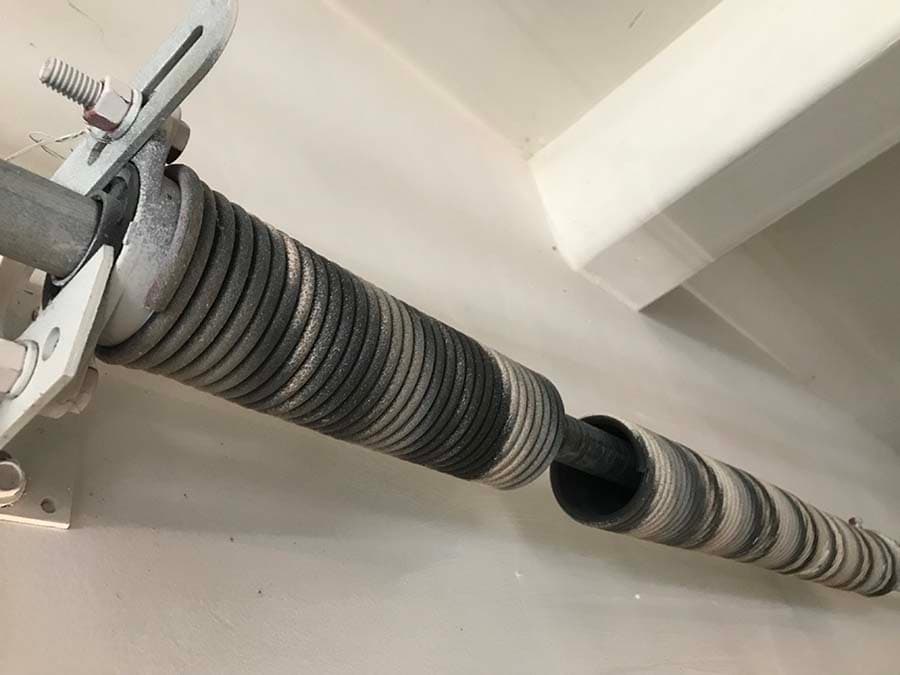
Torsion Spring Safety: What Every Homeowner Needs to Know Before Touching Their Door
The torsion spring above your garage door doesn't look dangerous.