Garage Door Opener Buying Guide: LiftMaster, MyQ, and Smart Home Integration
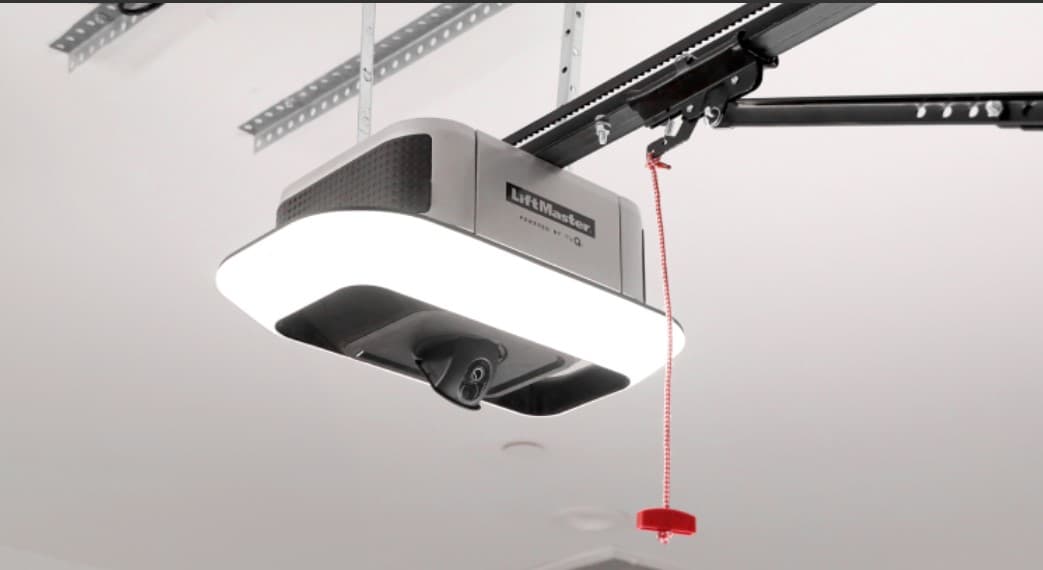
If your garage door opener was installed more than 10 years ago, it's probably still working — but it's missing features that make a meaningful difference in daily life.
Modern openers are quieter, safer, and significantly smarter than their predecessors. And if you've ever sat in your car wondering whether you actually closed the garage door, the answer now exists in your phone.
At Nimble Doors, we install the full LiftMaster lineup. Here's what you need to know to choose the right unit for your home.
Drive Type: Chain, Belt, or Direct Drive?
The drive system is the most important choice you'll make, and it comes down to budget versus noise tolerance.
Chain drive: The most common and most affordable type. A metal chain pulls the trolley along the rail. It works well and lasts a long time, but it's the noisiest option — not ideal if you have a bedroom above or adjacent to the garage.
Belt drive: Replaces the chain with a rubber belt, which dramatically reduces noise and vibration. This is the most popular upgrade we install and is strongly recommended for attached garages in living spaces. The price premium over chain drive is modest.
Direct drive (jackshaft): The motor mounts beside the door and turns the torsion shaft directly — no rail at all. This frees up ceiling space, eliminates rail vibration entirely, and is the quietest option available. It's also ideal for garages with low ceilings or storage overhead. LiftMaster's 8500W series is the benchmark in this category.
What Motor Size Do You Need?
Most standard residential doors (up to 10 feet tall, in good mechanical condition) operate fine with a 1/2 HP (horsepower equivalent) motor. But if your door is large, heavy, or over-insulated, or if you're in a high-cycle household with multiple vehicles using one door, step up:
1/2 HP — Standard single or double car doors in good balance
3/4 HP — Heavy doors, oversized panels, or high-cycle use
1+ HP — Commercial-light or carriage-style doors with solid wood or glass sections
An undersized motor strains to lift a heavy door, generates heat, and wears out faster. Getting this right at installation saves you a replacement call in three years.
The Case for LiftMaster
LiftMaster is the professional-grade brand of the Chamberlain Group — the same company that makes Craftsman openers for the retail market, but built to a higher specification. Key advantages over box-store alternatives:
Commercial-grade DC motors with soft start and stop for quieter, smoother operation
Battery backup standard on most current models — your door works even in a power outage
Security+ 2.0 rolling code technology — each press of the remote generates a new encrypted code, preventing code-grabbing attacks
Professional installation and warranty support, versus self-installation units that void coverage if installed incorrectly
Built-in MyQ Wi-Fi on all current models
MyQ Smart Home Integration
MyQ is LiftMaster's connected home platform, and it's one of the most useful smart home additions available for a family household. Here's what it actually does:
Remote open/close from anywhere: Open the door for a delivery driver or let your teenager in after school from your phone, anywhere with cell service.
Real-time status: You'll never leave the highway to check if you closed the garage door again. The app shows current open/close status and a full activity log.
Scheduled closing: Set the door to automatically close at 10 PM if it's been left open — useful for households with kids.
Amazon Key integration: LiftMaster's partnership with Amazon allows in-garage delivery when you're not home, with camera verification and automatic re-locking.
Google Home and Apple HomeKit: Compatible models connect to major smart home ecosystems for voice control and automation routines.
Features Worth Paying For
Beyond the basics, a few options are worth specifically asking about:
Battery backup: Standard on most current LiftMaster models. Essential in areas with frequent power outages — or if your car is behind that door.
Integrated camera: The LiftMaster Secure View line includes a camera in the motor head that monitors the garage interior. Useful for package security and household monitoring.
Exterior keypad: A weatherproof pin-entry keypad means you're never locked out because you forgot a remote. Worth adding to any installation.
Vehicle detection: Higher-end models detect when a vehicle is present under the door and delay closing — a meaningful safety upgrade for households with kids.
What to Expect from Installation
A professional opener installation typically takes 1.5 to 2.5 hours, depending on whether existing hardware (rail, strut, wiring) is being reused. At Nimble Doors, every opener installation includes:
Motor and rail assembly and mounting
Full safety sensor alignment and testing
Travel limit and force calibration
Remote and keypad programming
Assistance with MyQ app setup
You May Also Like
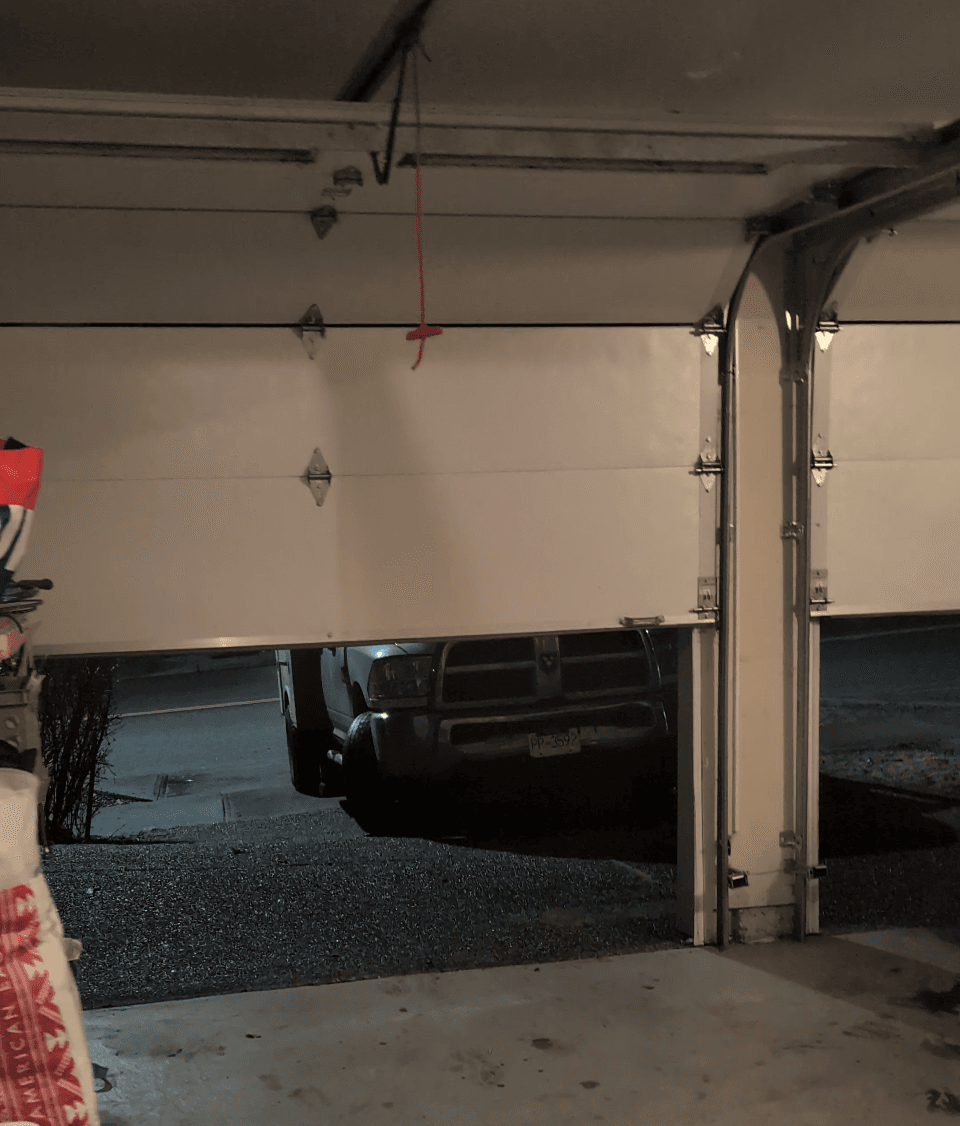
What to Expect from a Nimble Service Call: From Dispatch to Digital Report
Most people have a story about a contractor who didn't show up when they said they would, quoted one price and invoiced another, or left without explaining what they actually fixed.
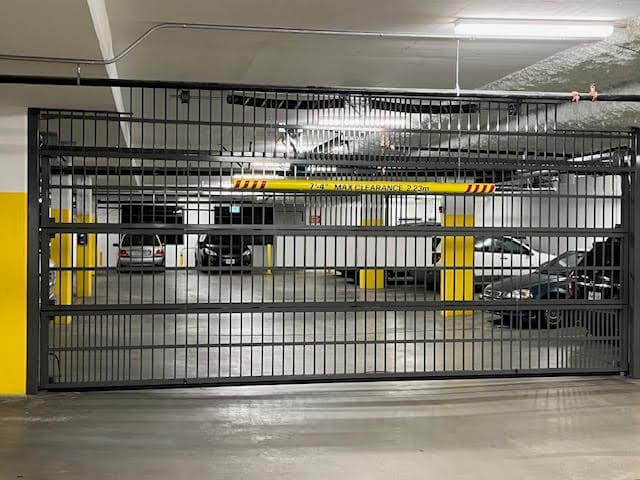
The Property Manager's Maintenance Checklist: Parkade Gates & Commercial Entries
If you manage a strata, commercial building, or parkade, your entry systems are more than a convenience — they're a liability.
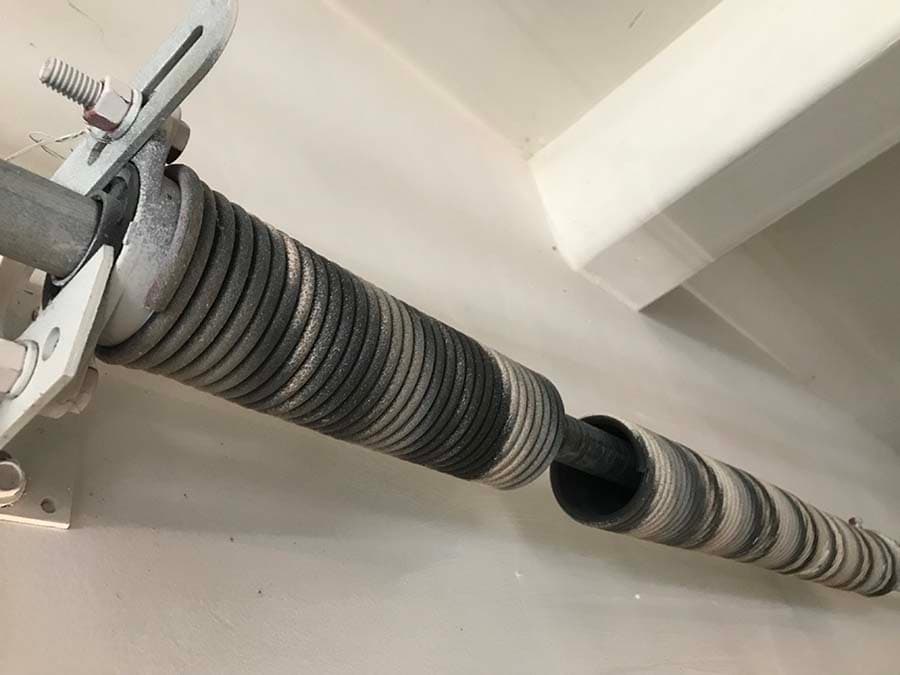
Torsion Spring Safety: What Every Homeowner Needs to Know Before Touching Their Door
The torsion spring above your garage door doesn't look dangerous.