The Property Manager's Maintenance Checklist: Parkade Gates & Commercial Entries
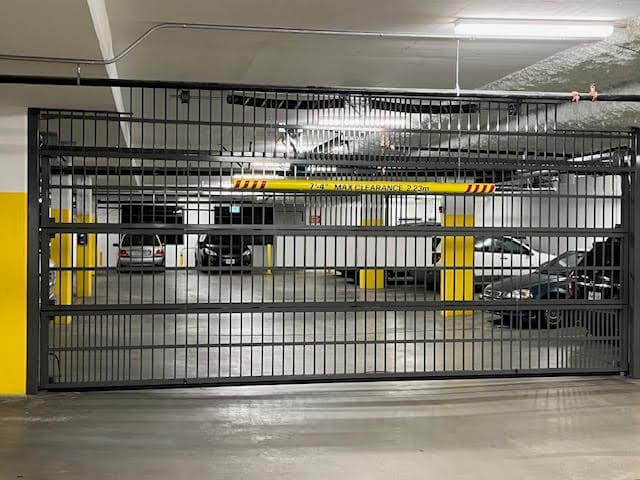
If you manage a strata, commercial building, or parkade, your entry systems are more than a convenience — they're a liability.
A gate that fails during business hours disrupts tenant access and frustrates residents. A commercial overhead door that sticks in sub-zero temperatures can halt delivery operations. And when a door fails completely, you're looking at an emergency service call, potential security exposure, and unhappy stakeholders.
The good news: most commercial door and gate failures are preventable. They follow a predictable pattern of neglected maintenance compounding over time. This checklist gives you a structured framework to manage your entry systems proactively, with seasonal considerations relevant to properties in the Pacific Northwest.
Why Commercial Overhead Doors Fail
Commercial systems differ from residential doors in three important ways: they operate at much higher cycle counts, they're subject to vehicle impact and loading dock stress that residential doors never face, and they're typically mission-critical — failure isn't just an inconvenience.
The most common root causes of commercial door failure are:
Deferred lubrication — coiling and sectional doors have dozens of moving contact points
Worn or seized rollers from heavy-cycle operation without maintenance
Spring fatigue — commercial springs are rated for cycle counts, not calendar years
Electrical or sensor failures on automated gates and access-controlled entries
Impact damage from vehicles that goes unrepaired and compromises panel or track integrity
Monthly Visual Inspection
Walk through these checks yourself at the start of each month. They take less than 10 minutes per door and catch early-stage problems before they become service calls.
Photoelectric sensors: Pass your hand through the beam path on each side of the door. The door should reverse immediately. If it doesn't, the sensor is misaligned or faulty — this is a safety issue.
Panel condition: Look for dents, cracks, or sections that appear out of alignment. Minor cosmetic damage is fine; structural damage affects the door's ability to seal and can compromise the track.
Track clearance: Ensure nothing is stored within 12 inches of the tracks on either side. Obstructions cause roller damage and mis-tracking.
Weatherstripping: Check the bottom seal and side seals for cracks, compression loss, or gaps. Compromised seals let in water, pests, and cold — and are inexpensive to replace.
Emergency release: Confirm the manual release cord is accessible and clearly labelled. In a power outage or malfunction, staff need to be able to operate the door manually.
Gate control hardware: For parkade gates, inspect the loop detector housing and any access control keypads or card readers for physical damage or weather exposure.
Quarterly Service Tasks
These tasks require minor tools but are within scope for a maintenance-capable property management team. If in doubt, bundle them into a professional service visit.
Lubrication: Apply a commercial-grade white lithium or silicone spray to all rollers, hinges, shaft bearings, and torsion spring coils. On high-cycle doors, lubrication every 90 days is the standard.
Hardware tightening: Vibration loosens fasteners over time. Check and tighten all track brackets, hinge bolts, and cable drum set screws. Use a torque wrench if you have one.
Balance test: Disconnect the opener and manually lift the door to the halfway point. Release it. A properly balanced door should stay in place with minimal drift. A door that falls or rises quickly is out of balance — book a spring adjustment.
Cable inspection: Look for fraying, kinking, or rust on both lift cables. Cables under stress show signs of failure well before they break — catching this saves an emergency call.
Limit and force settings: Confirm the opener stops at the correct fully-open and fully-closed positions. Check that the force setting isn't set so high that the safety reversal is compromised.
Annual Professional Service
Once a year — ideally before winter — schedule a full service inspection with a certified commercial door technician. A professional annual service should include:
Spring tension adjustment or replacement if cycle life is approaching end
Full cable and drum system inspection with replacement if wear is detected
Operator motor and circuit board inspection
Access control system test — loop detectors, keypads, intercoms, and remote systems
Safety compliance verification (reversing mechanisms, entrapment protection)
Written service report documenting the condition of all major components
That last point matters more than it might seem. A written service record creates documentation that's valuable for insurance purposes, strata council reporting, and warranty claims.
Signs That Require Immediate Service
Some conditions shouldn't wait for a scheduled visit. Contact a service provider immediately if you observe:
A door that won't close or seal at the bottom — a security and weather exposure risk
A snapped or visibly frayed cable — the door is at risk of sudden, uncontrolled descent
A gate arm that activates without input or fails to activate on command
Any door or gate that reverses or stops unpredictably
Smoke, burning smell, or unusual heat from the motor housing
A door that has been impacted by a vehicle, even if it appears to be operating normally
You May Also Like
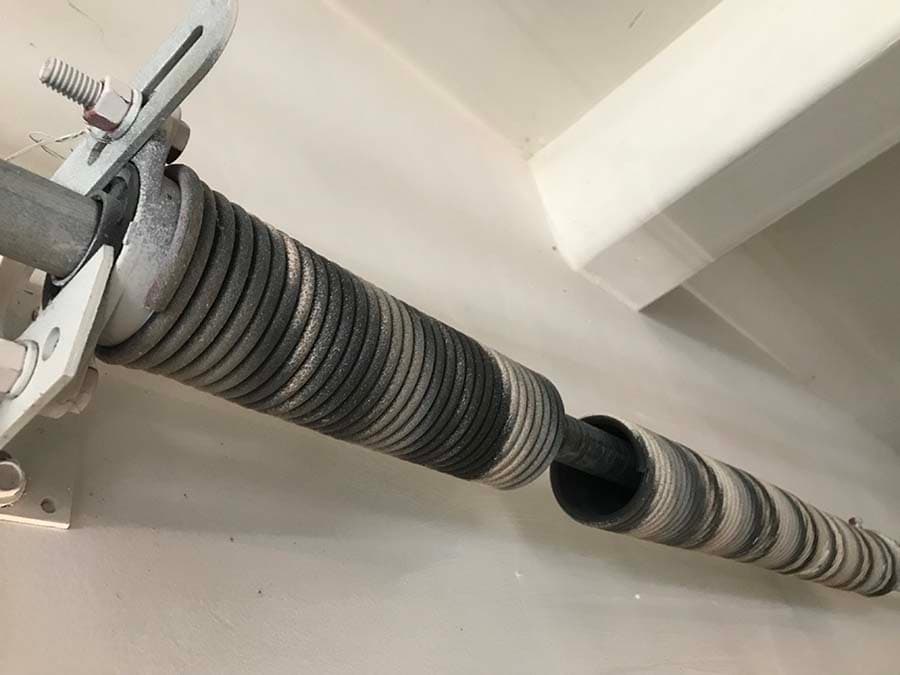
Torsion Spring Safety: What Every Homeowner Needs to Know Before Touching Their Door
The torsion spring above your garage door doesn't look dangerous.
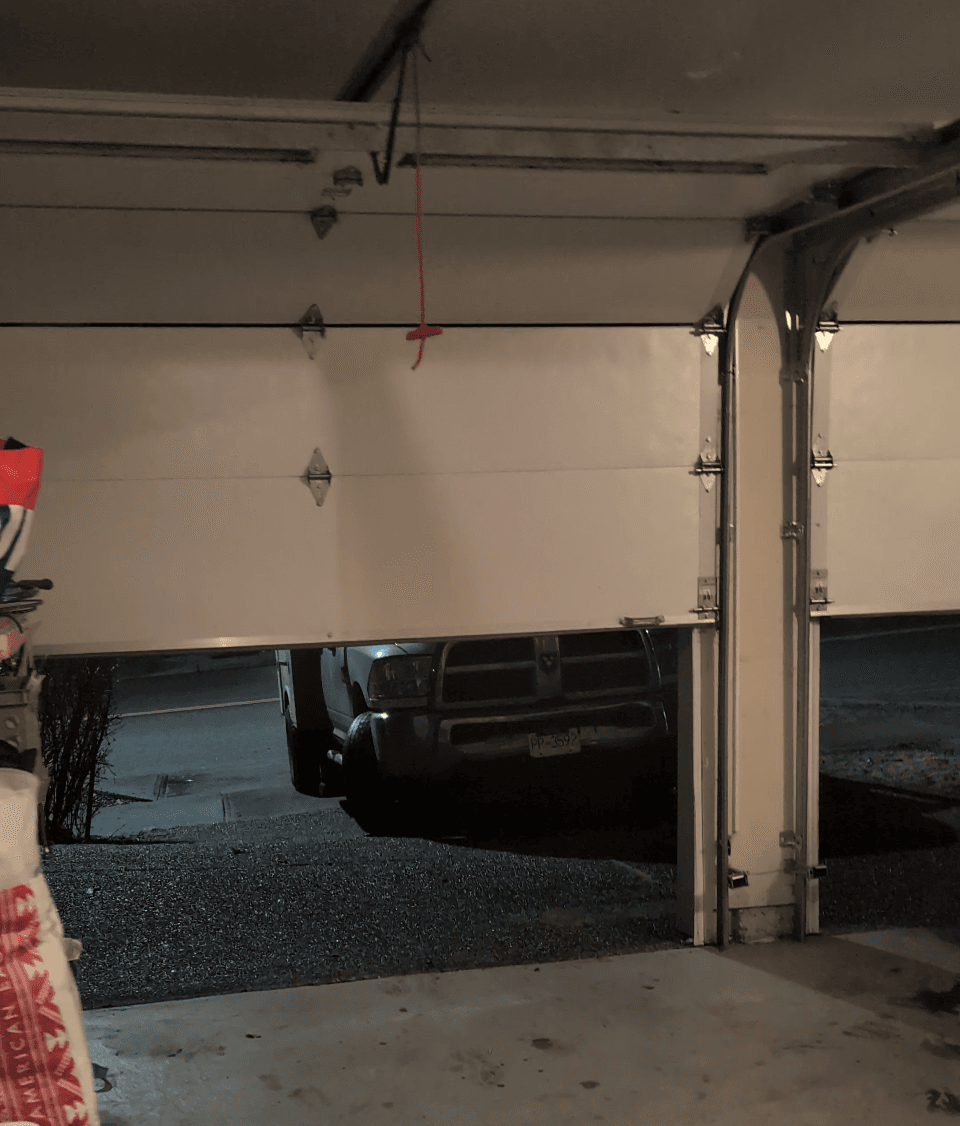
What to Expect from a Nimble Service Call: From Dispatch to Digital Report
Most people have a story about a contractor who didn't show up when they said they would, quoted one price and invoiced another, or left without explaining what they actually fixed.
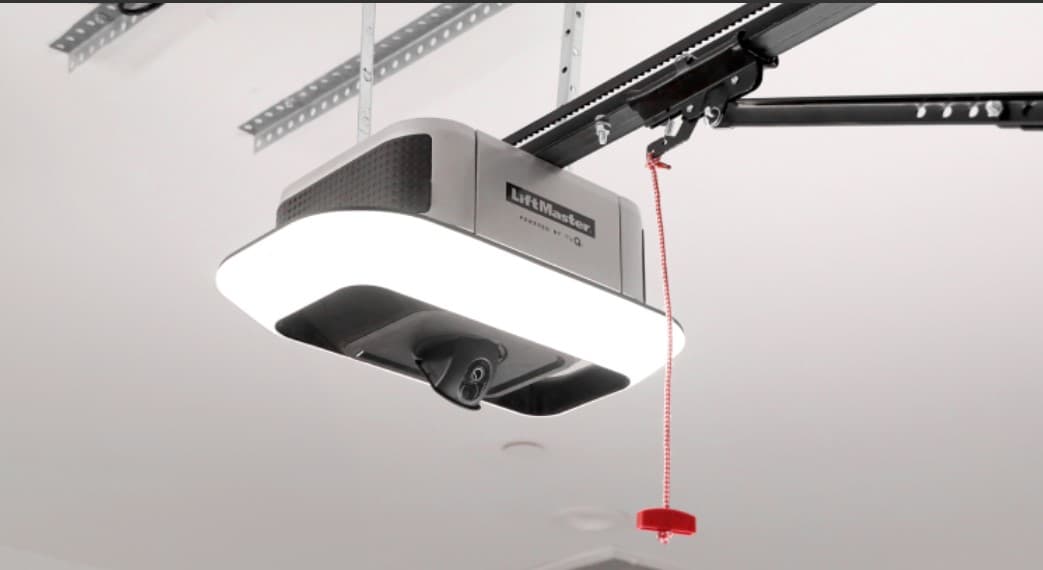
Garage Door Opener Buying Guide: LiftMaster, MyQ, and Smart Home Integration
If your garage door opener was installed more than 10 years ago, it's probably still working — but it's missing features that make a meaningful difference in daily life.